

Looking for building sets for adults that aren't LEGO? Start with what you want to build and where the finished model will live. A vintage diner, a miniature pool hall and a Gothic shop can offer very different display possibilities, even when their prices look similar.
This guide focuses on choosing a display model for your home or a gift. Before ordering, compare the material, assembly method, finished dimensions and product information rather than choosing on appearance alone.
1. Choose a scene that means something to you
Think about the interests you would enjoy seeing on your desk or bookshelf. A pool-hall scene may appeal to a billiards enthusiast. A roadside diner may suit someone who loves classic American road trips. A vintage shop or Gothic interior may fit a collection of unusual miniature buildings.
For a pool-hall display, explore Vintage Billiards Night in the Vintage Leisure collection. For a roadside theme, compare Sunset Burgers Drive-Thru with the Route 66 and Americana building sets. If vintage storefronts interest you, look at The Old Apothecary and the Vintage Architecture collection.
Look closely at what tells the story: the furniture, storefront, signs and room layout. Decide which details matter to you before comparing building brick sets.
For a gift, a familiar interest is a useful starting point. A model connected to someone's hobby can feel more personal than the largest box within your budget.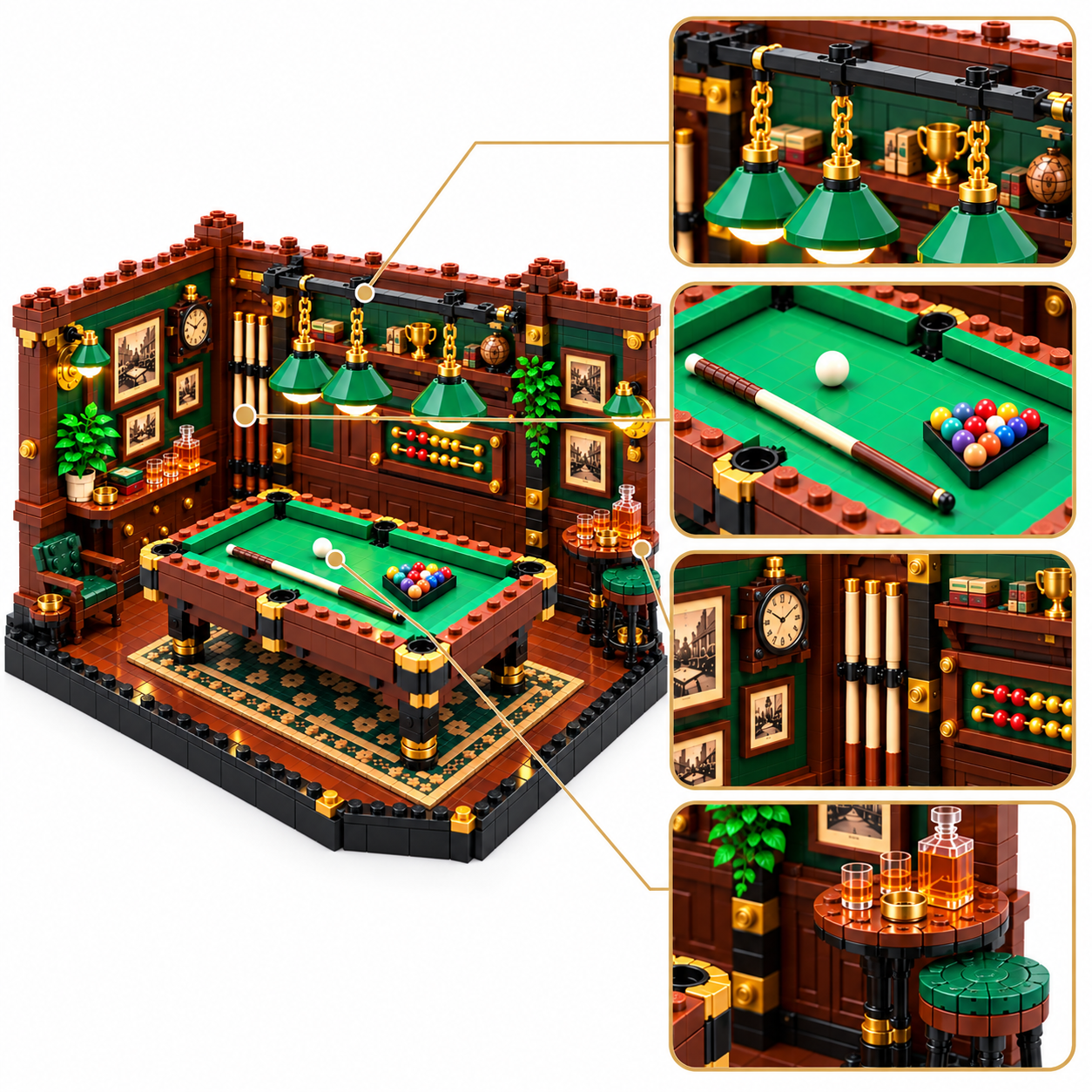
2. Check what the kit is made of
Miniature scenes can look similar online while using different construction methods.
An interlocking brick set is assembled from individual bricks. A wooden miniature kit may use cut panels, small decorative parts and adhesive. A book nook describes a shelf-display format, so the name alone does not tell you the material.
Read the material and assembly information for the exact product. Check whether glue, tools or other supplies are required and whether they are included. If you want to mix parts with an existing brick collection, confirm the size and compatibility first.
A model sold as an alternative to LEGO is not automatically compatible with LEGO bricks.
3. Plan the display before choosing the model
Measure the width, depth and height of the space where you want to put it. Compare all three measurements with the finished model, including its base and any projecting details.
Then consider the viewing angle. An open-front room can be easy to appreciate from a desk. A model with details mainly on one side needs a position that keeps that side visible. A tall architectural build may need more clearance above it.
For example, a 25 cm-deep model needs more than a 25 cm-deep shelf if a door, cable or decorative part projects behind it. This is a measuring example, not a GothNook product specification.
If the kit includes lighting, check the stated power requirements and cable placement. Treat lighting as included only when the product description explicitly confirms it.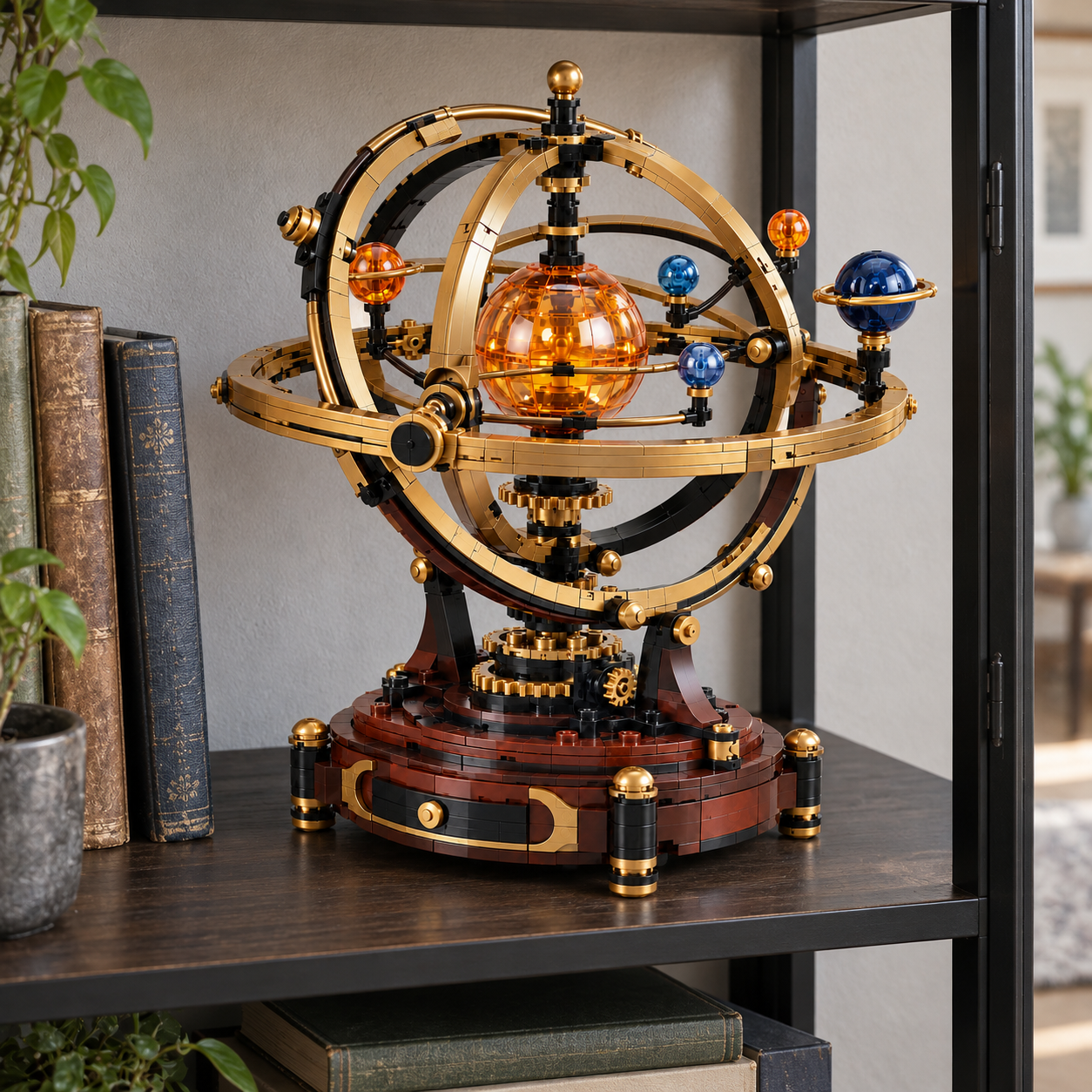
4. Look beyond the piece count
Piece count describes quantity, but it does not explain every aspect of a build. Repeated walls, small furniture, angled surfaces and intricate decorative sections can create different assembly demands.
Check the recommended age, instruction format and close-up images. Look for information about how the build is organized. Do not assume that a kit has numbered bags, printed instructions or a particular completion time unless the listing says so.
Choose a project that suits the time and workspace you can give it. There is no need to choose the most complicated model for your first adult build.
5. Compare the whole purchase
When comparing LEGO alternatives for adults, give the practical details as much attention as the finished appearance:
- What parts and accessories are included?
- What are the finished dimensions?
- Are instructions printed, digital or both?
- Are any tools, adhesive or lighting components required?
- What does the seller say about missing parts and returns?
- What are the processing time, delivery estimate and total shipping cost?
Ask about missing information before ordering. Processing time and transit time are separate, which is especially useful to remember when buying for a birthday or holiday.
6. Choose a gift around the recipient
Consider the person's interests, available display space and willingness to assemble a kit. Someone who enjoys model making may welcome a detailed project. Someone who mainly wants a finished decoration may prefer a ready-made item.
Check that the recipient understands assembly is required. A thoughtful theme and a suitable footprint matter more than a high piece count by itself.
Frequently asked questions
Are all non-LEGO building sets compatible with LEGO?
No. Compatibility depends on the exact brick dimensions and construction system. Check the individual product specifications, particularly for mini or micro bricks.
Is a wooden book nook the same as a brick set?
No. A wooden book nook and an interlocking brick set use different materials and assembly methods. Check the description rather than relying on the setting shown in a picture.
How long does an adult building set take to assemble?
It varies with the model, instructions and builder. Use a product-specific estimate when one is provided. Piece count alone is not a reliable promise of completion time.
Find a scene you want to keep on display
Start with a subject you enjoy, check the construction method and measure its future home. Then compare the purchase details before deciding.
Explore GothNook’s current collection and check each listing for its material, dimensions, included contents and assembly requirements.